
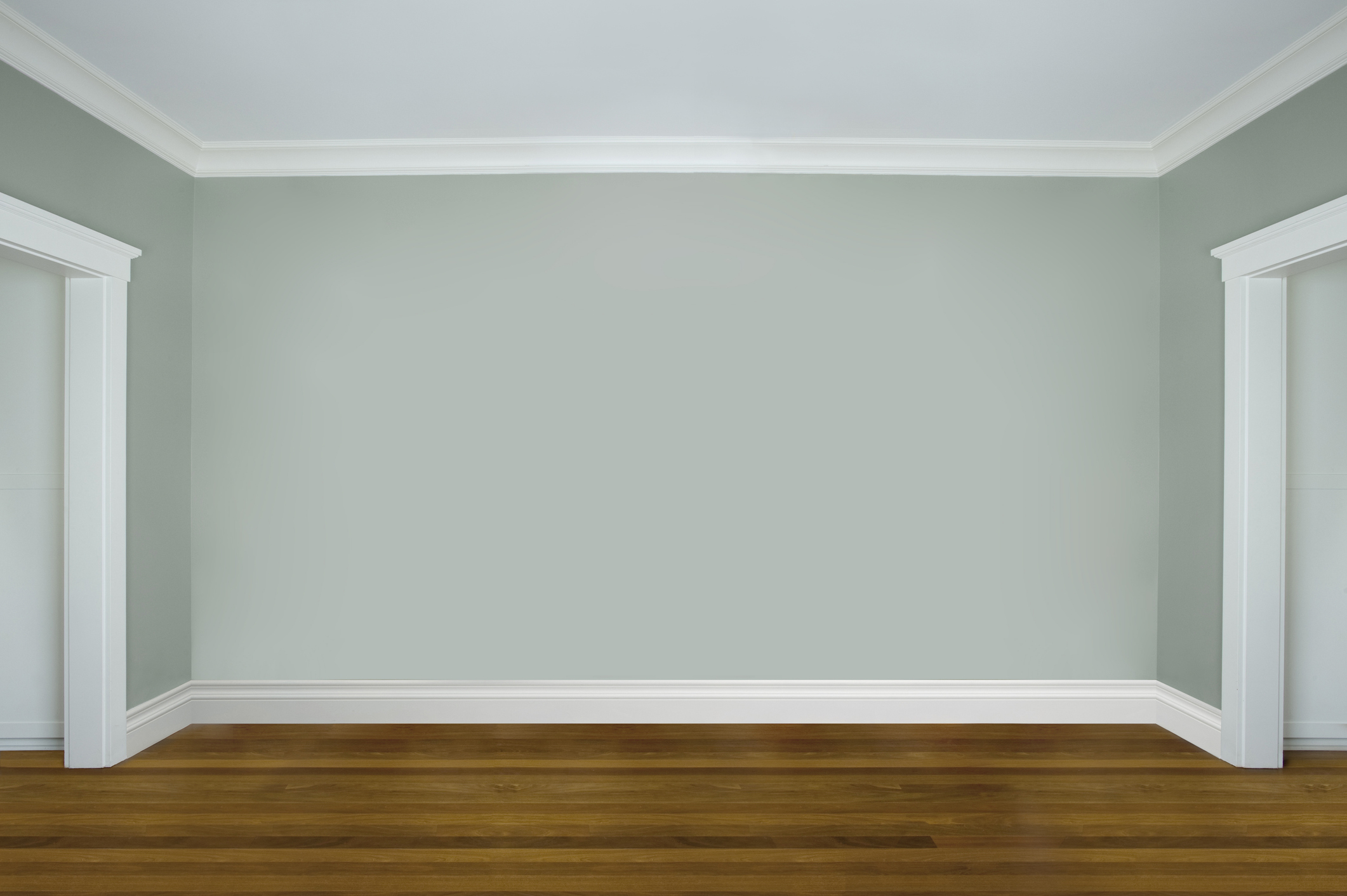
Baseboards are one of those details that most people don’t consciously notice — until they’re wrong. When the scale is off, a room can feel unfinished, awkward, or just slightly out of balance without anyone being able to pinpoint exactly why. Getting the height right is one of the simplest ways to make a room feel more intentional and complete, and it’s a decision worth thinking through before you buy a single linear foot of material.
Why Baseboard Height Matters
Baseboard serves a practical purpose — it covers the gap between your flooring and the wall and protects the base of the wall from scuffs and moisture. But it also plays a significant visual role. It forms the foundation of your room’s trim package, anchoring the walls to the floor and giving the eye a clean line to follow around the perimeter of the space. When baseboard is proportional to the room, everything feels grounded. When it’s too short or too tall for the space, the imbalance is subtle but persistent.
The General Rule: Follow Your Ceiling Height
The most reliable starting point for choosing baseboard height is your ceiling height. As a general guideline, taller ceilings call for taller baseboards. In a standard room with eight-foot ceilings, a baseboard in the three-to-four-inch range typically works well. For nine- or ten-foot ceilings, stepping up to four-and-a-half to five-and-a-half inches creates better visual balance. Rooms with ceilings of eleven feet or higher can often support baseboards of six inches or more without looking excessive.
The logic behind this is proportion. A three-inch baseboard in a room with twelve-foot ceilings will practically disappear. A six-inch baseboard in a room with eight-foot ceilings will feel heavy and oversized. Matching the scale of your trim to the scale of your room is what makes everything look like it belongs together.
Architectural Style Plays a Role Too
Beyond ceiling height, your home’s architectural style should influence your baseboard profile and height choices. Craftsman and traditional homes often feature taller, more substantial baseboards with a built-up look — a flat base combined with a cap molding on top to add dimension. Contemporary and modern interiors tend to favor taller flat stock baseboards with clean, simple lines and no added profile detail. Transitional homes have the most flexibility, and often land somewhere in between.
If you’re matching existing trim throughout the house, measuring what’s already in place is a good first step. Consistency across rooms matters, especially in open-concept layouts where multiple spaces are visible at once.
Don’t Forget the Floor
One practical consideration that often gets overlooked is finished floor height. If you’re installing new flooring — whether hardwood, tile, or luxury vinyl — as part of the same project, make sure you’re accounting for the added height before cutting your baseboards. Installing baseboard before flooring goes in is a common sequence in new construction, but in remodel situations the order is often reversed. Knowing which approach applies to your project will affect how your baseboard sits against the wall and floor.
Find the Right Baseboard at Clark’s Moulding & Doors
At Clark’s Moulding & Doors, we carry over 250 molding profiles in stock across more than one million linear feet of inventory, including a wide range of baseboard heights and styles in both paint-grade MDF and hardwood. Whether you’re working on a single room refresh or a whole-home trim package, our team has been helping Southern California homeowners and contractors find the right fit since 1984.
Come visit our 28,000-square-foot facility or call us at (626) 575-8343 — we’re here to help you get every detail right.