Few interior upgrades deliver as much visual impact per dollar as wainscoting. Whether you’re refreshing a single room or working through a larger remodel, adding wainscoting to your walls is one of the most effective ways to introduce architectural detail, protect your surfaces, and elevate the overall feel of a space. For Southern California homeowners, it’s a particularly versatile option that works across a wide range of home styles — from craftsman bungalows in Pasadena to modern builds in the Inland Empire.
What Is Wainscoting?
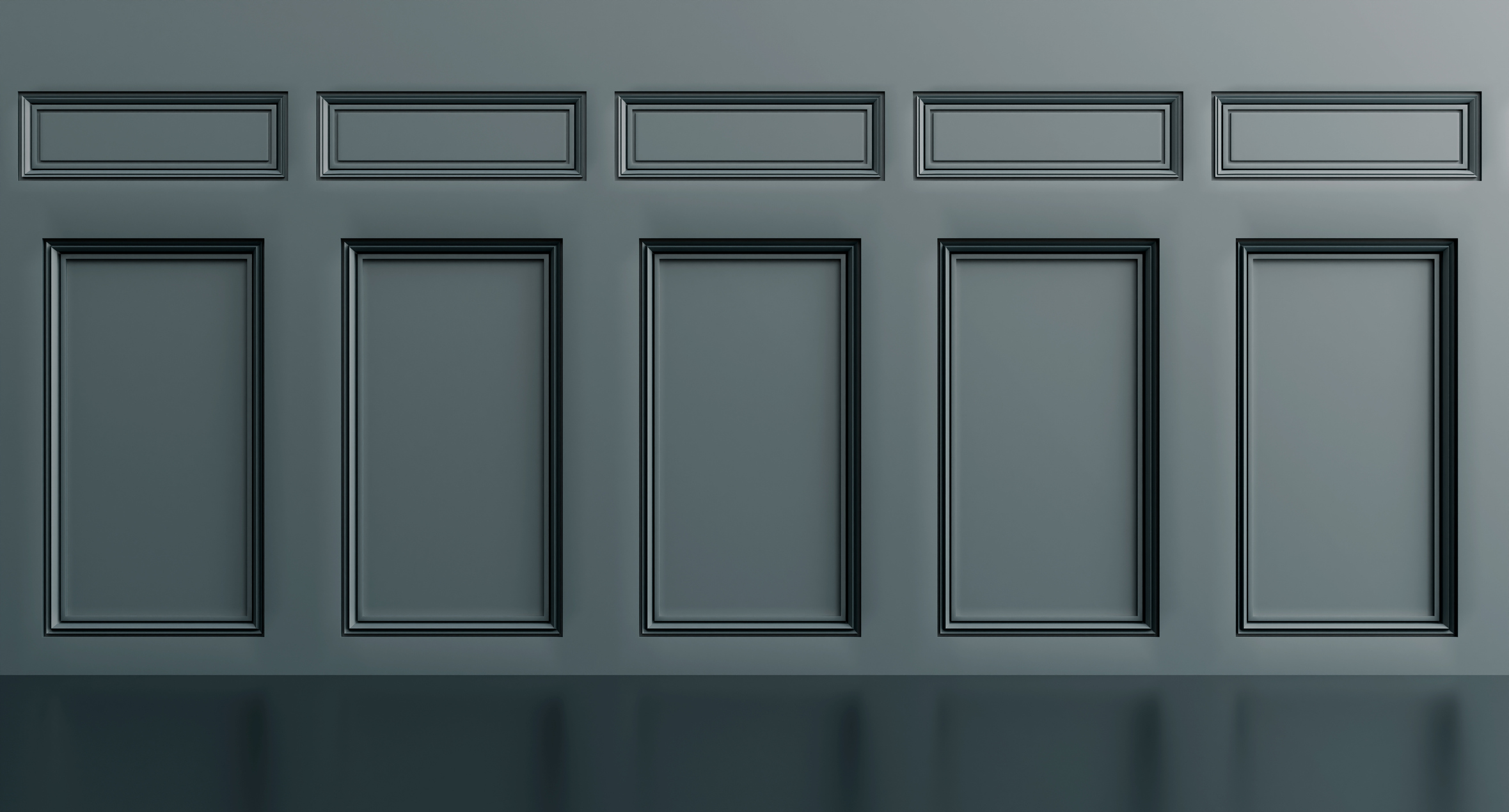
Wainscoting refers to decorative wall paneling that covers the lower portion of a wall, typically from the floor to somewhere between 32 and 48 inches in height. It has roots in traditional architecture but has evolved into a design element that works in both classic and contemporary interiors. Beyond aesthetics, wainscoting also serves a practical purpose — it protects walls in high-traffic areas from scuffs, dents, and everyday wear.
The Most Common Wainscoting Styles
Raised panel wainscoting is the most traditional style, featuring framed panels with a center section that sits above the surrounding rail and stile. It’s a natural fit for formal dining rooms, entryways, and homes with colonial or traditional architecture.
Flat panel wainscoting uses recessed or flush panels for a cleaner, more streamlined look. This style has become increasingly popular in transitional and modern homes because it adds structure without feeling ornate. It’s easy to paint and pairs well with minimal trim profiles.
Beadboard wainscoting features narrow vertical planks with a small ridge — or bead — between each one. It has a casual, cottage-like quality that works beautifully in bathrooms, mudrooms, kitchens, and informal living spaces. It’s one of the more approachable DIY-friendly options as well.
Board and batten is another widely used style, particularly in farmhouse and modern farmhouse interiors. It involves alternating wide boards and narrow strips applied directly to the wall, creating a bold, graphic pattern that reads well even in larger rooms.
Where to Use Wainscoting in Your Home
Dining rooms and entryways are the most traditional placements, but wainscoting works in nearly every room of the house. Hallways benefit significantly — it protects walls that see constant foot traffic while making a long, narrow space feel more finished. Bathrooms are another strong candidate, especially when moisture-resistant materials and proper sealing are used. Even bedrooms and home offices can benefit from the added texture and warmth that a flat panel or board and batten treatment provides.
One thing to keep in mind is height. The standard range of 32 to 48 inches works well in most rooms, but taller ceilings can support taller wainscoting — sometimes up to a full chair rail height of 54 inches or beyond. The goal is proportion, and taking a few minutes to mock up the height on your wall before committing can save a lot of second-guessing later.
Getting Started with Clark’s Moulding & Doors
At Clark’s Moulding & Doors, we carry a large in-stock selection of molding profiles, flat stock, and trim components that are commonly used in wainscoting installations — including paint-grade MDF and hardwood options suited for a variety of styles and budgets. Our team has been helping Southern California homeowners and contractors bring projects like these to life since 1984.
Stop by our 28,000-square-foot facility or give us a call at (626) 575-8343 to talk through your project and find the materials that will bring your vision together.