Doors serve very different purposes depending on where they’re installed. While interior and exterior doors may look similar at a glance, they are designed with distinct materials, construction methods, and performance standards in mind. Choosing the right type of door for the right application is essential for durability, comfort, and long-term satisfaction.
Understanding these differences helps homeowners, designers, and contractors make informed decisions that go beyond appearance alone.
The Primary Function of Interior Doors
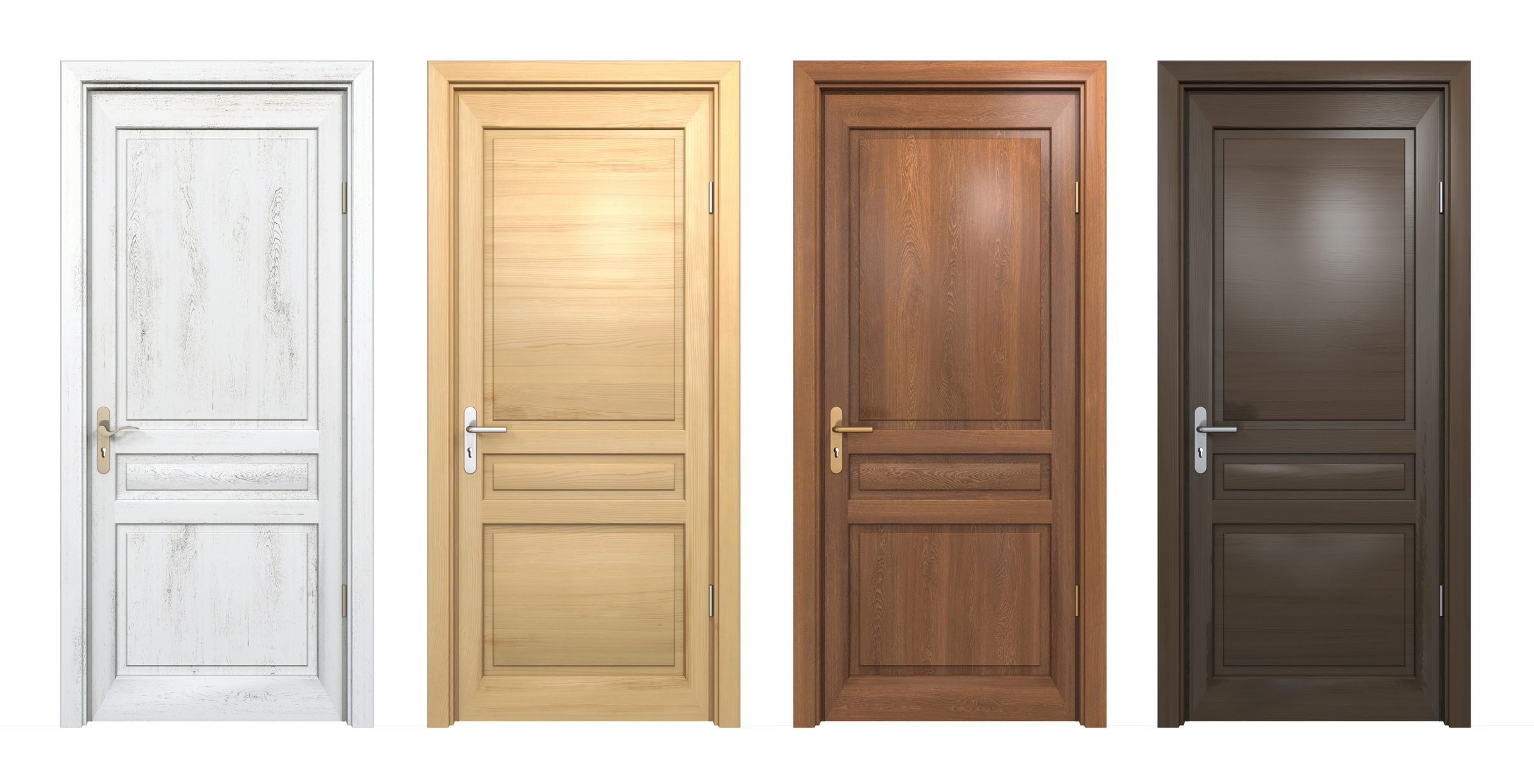
Interior doors are designed to define spaces, provide privacy, and support the overall flow of a home. Because they aren’t exposed to weather or exterior threats, their construction focuses more on style, weight, and ease of use than on insulation or security.
Common characteristics of interior doors include:
- Lighter-weight construction
- A wide range of panel styles and profiles
- Smooth or textured finishes
- Emphasis on design consistency throughout the home
Interior doors play a major role in visual cohesion, especially when paired with complementary casing and baseboards.
What Sets Exterior Doors Apart
Exterior doors must perform under much harsher conditions. They act as a barrier between the home and the outside environment, requiring significantly more structural integrity and protection.
Exterior doors are typically built to provide:
- Enhanced security and strength
- Resistance to temperature changes and moisture
- Improved insulation and energy efficiency
- Long-term durability against sun, wind, and wear
Because of these demands, exterior doors use heavier cores, reinforced frames, and weather-resistant materials.
Material Differences That Matter
The materials used in door construction directly impact performance and lifespan.
Interior doors often use:
- Hollow-core or solid-core construction
- Engineered wood or MDF
- Veneer or painted finishes
Exterior doors commonly feature:
- Solid wood, fiberglass, or steel construction
- Insulated cores
- Weather-resistant coatings and seals
Using an interior-style door in an exterior application can lead to warping, swelling, or premature failure.
Sound, Insulation, and Comfort
Interior doors contribute to comfort by controlling sound between rooms. Solid-core interior doors, for example, provide better noise reduction than hollow-core options and are often preferred for bedrooms, offices, and media rooms.
Exterior doors, on the other hand, prioritize thermal insulation. Their construction helps regulate indoor temperatures, reduce drafts, and improve overall energy efficiency—benefits that interior doors aren’t designed to provide.
Design Considerations Inside the Home
While exterior doors often make a bold statement at entry points, interior doors influence the home’s overall design rhythm. Panel styles, door heights, finishes, and hardware should work together across rooms to create a cohesive look.
Interior doors are most effective when coordinated with:
- Matching or complementary casing profiles
- Consistent baseboard styles
- Proportional trim widths throughout the space
This level of coordination elevates the finished look of the home without requiring major renovations.
Installation Standards Are Not the Same
Installation requirements also differ between interior and exterior doors. Exterior door installation involves precise sealing, threshold alignment, and weatherproofing. Interior door installation focuses more on alignment, swing clearance, and trim integration.
Using the correct door type ensures installation meets both functional and aesthetic expectations.
Choosing the Right Door for the Right Purpose
Selecting a door based solely on appearance can lead to performance issues down the road. Understanding how interior and exterior doors are built—and why—helps avoid costly mistakes and ensures long-term satisfaction.
Clark’s Moulding & Doors offers a wide selection of quality doors designed for both interior and exterior applications, along with expert guidance to help you choose the right option for each space in your home.
Get Expert Help with Door Selection
Whether you’re building, remodeling, or replacing existing doors, professional insight makes a difference. The right materials, construction, and design choices all play a role in how your doors perform and look over time.
To learn more about door options or get help selecting the right products for your project, contact Clark’s Moulding & Doors at (626) 575-8343.