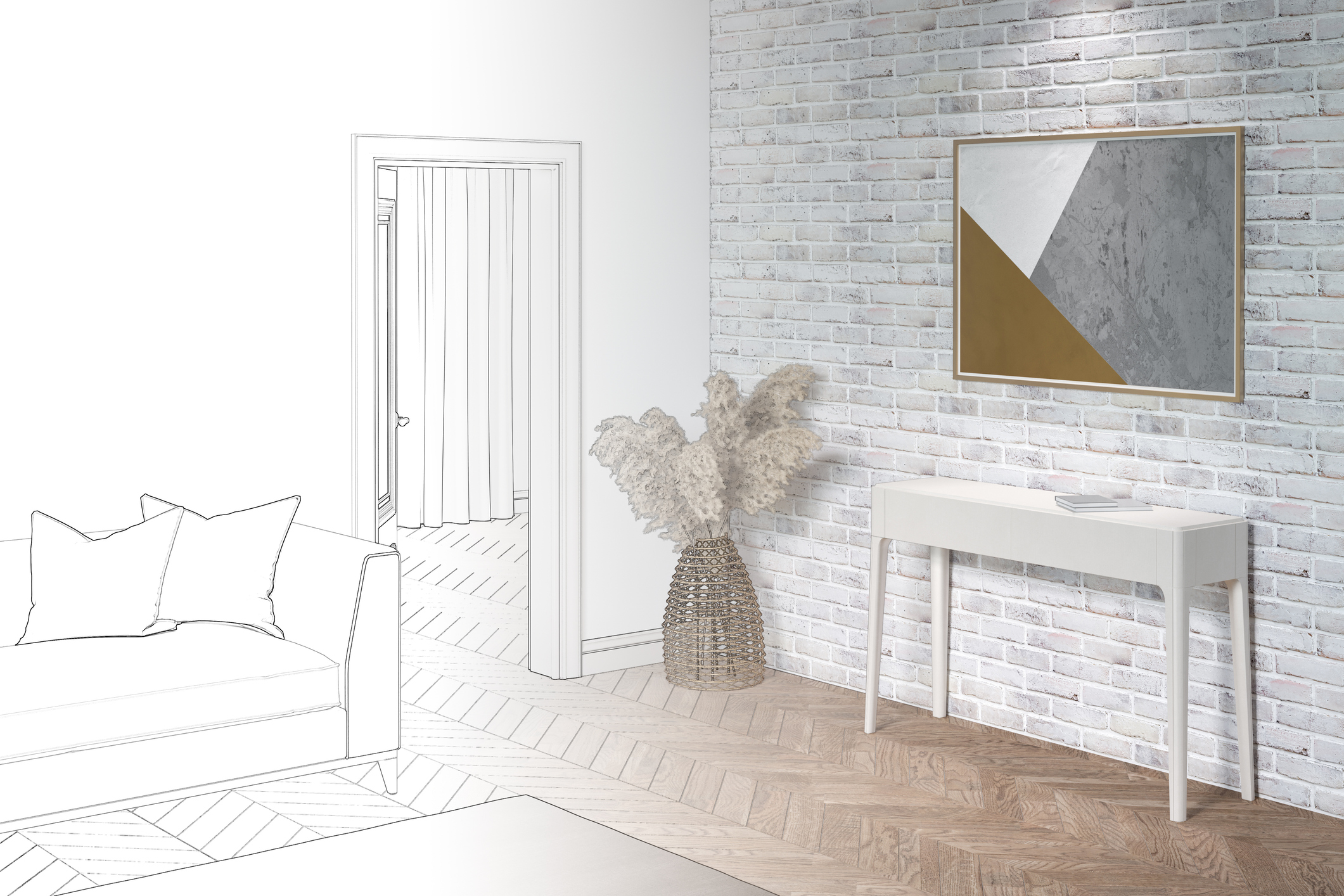
Interior design isn’t just about individual features—it’s about how those features work together. Doors, casing, and baseboards are often selected separately, but when they’re mismatched, the result can feel disjointed or unfinished. Creating consistency across these elements helps establish flow, balance, and a sense of intention throughout the home.
When doors and trim are thoughtfully coordinated, even simple interiors feel refined and professionally finished.
Doors Set the Design Tone
Doors are one of the largest visual elements in any interior space. Their panel style, height, and finish naturally draw the eye, especially in hallways and open floor plans where multiple doors are visible at once.
A modern, flat-panel door paired with ornate trim can feel out of place, just as a traditional paneled door can clash with ultra-minimal casing. Aligning door style with trim profiles ensures the design language stays consistent from room to room.
Casing Frames the Transition Between Spaces
Door casing does more than cover gaps—it visually connects the door to the surrounding wall and adjacent trim. Casing acts as a frame, and its proportions and profile directly influence how substantial or subtle a doorway feels.
Key casing considerations include:
- Profile style (square, stepped, or decorative)
- Width and thickness
- Relationship to door panel design
- Alignment with baseboard height
When casing complements the door rather than competing with it, transitions feel smooth and intentional.
Baseboards Anchor the Entire Room
Baseboards run continuously through a space, making them one of the most influential trim elements in interior design. They visually anchor walls, define floor lines, and tie doors and casing into a cohesive system.
If baseboards are significantly taller, shorter, or more decorative than the casing, the imbalance becomes noticeable—especially in open areas. Matching trim proportions creates visual harmony and prevents one element from overpowering another.
Why Mixing Styles Often Backfires
Some homeowners attempt to mix trim styles for visual interest, but without a clear strategy, this approach often leads to inconsistency. Mixing modern and traditional profiles can make a space feel unfinished rather than intentional.
Consistency doesn’t mean everything must be identical, but elements should feel related. Subtle variations within the same design family typically work better than dramatic contrasts.
Proportion Is Just as Important as Style
Even when styles align, proportion matters. Tall doors paired with undersized casing or baseboards can feel unbalanced. Similarly, oversized trim on standard-height doors can overwhelm a room.
Coordinating scale across doors, casing, and baseboards ensures that each element supports the others instead of competing for attention.
Finish and Color Choices Matter Too
Consistency extends beyond profiles to finishes and colors. Matching paint sheen, stain tone, or wood species helps reinforce a unified look. Even slight variations can stand out when trim runs continuously through multiple rooms.
Choosing finishes that work together across doors and trim helps maintain visual flow, especially in homes with open layouts.
Planning Trim as a System—Not Individual Pieces
The most cohesive interiors are designed with doors, casing, and baseboards selected as a system rather than separate components. This approach simplifies decision-making and produces more predictable, polished results.
Professionals often start by selecting the door style, then choosing casing and baseboards that naturally complement it in both design and proportion.
A Small Detail That Makes a Big Difference
While doors and trim may seem like finishing details, they have an outsized impact on how a space feels. Consistency creates calm, balance, and a sense of quality that’s hard to replicate with décor alone.
Clark’s Moulding & Doors offers a wide range of doors, casing, and baseboards designed to work together seamlessly, helping homeowners and builders achieve cohesive, well-finished interiors.
Get Help Creating a Unified Look
Whether you’re remodeling a single room or finishing an entire home, expert guidance can help you avoid mismatched elements and costly revisions.
To explore door and trim options that work together from the start, contact Clark’s Moulding & Doors at (626) 575-8343 and get support selecting products that bring your interior design together.